
Dispatch from OOSC + UNOC3
From science to action

The One Ocean Science Congress: A Confluence of Minds
The One Ocean Science Congress (OOSC), held prior to the Third United Nations Ocean Conference, brought the global scientific community together and gave them the opportunity to explain to the world the pressing challenges facing our oceans. From June 17th to 20th, leading marine scientists, researchers, and experts gathered to share groundbreaking research, discuss innovative solutions, and foster international collaboration.

A central theme of the OOSC was the urgent need for enhanced ocean observation systems. Discussions highlighted the critical role of data collection in understanding climate change impacts, biodiversity loss, and pollution. New advancements in autonomous underwater vehicles, satellite monitoring, and AI-driven data analysis were presented, showcasing the potential to revolutionize our ability to monitor ocean health.

Another significant focus was on the complex interplay between ocean health and human well-being. Experts explored topics ranging from the impact of microplastics on marine ecosystems and human health, to the sustainable management of fisheries and the development of blue economies. There was a strong emphasis on integrating traditional ecological knowledge with modern scientific approaches to achieve more holistic conservation strategies.
The congress also dedicated considerable attention to the challenges of increasing ocean heat, ocean acidification, and deoxygenation. Scientists presented their findings on the rate at which these processes are occurring, their detrimental effects on marine life (particularly coral reefs and shellfish), and the worrying trend of the increasing occurrence of all three types of extreme events occurring at the same time and place. Discussions centred on mitigation strategies, including carbon capture technologies and the protection of carbon-sequestering ecosystems like mangroves and seagrass beds.
Beyond the scientific deliberations, the OOSC also fostered a vibrant cultural exchange, recognizing that art and culture play a vital role in connecting people to the ocean. A memorable evening event held at the Nice Opera beautifully exemplified this, featuring performances inspired by marine themes and showcasing the ocean's influence on various artistic expressions. This cultural dimension underscored the congress's holistic approach, highlighting that safeguarding the ocean requires not only scientific understanding but also a deep appreciation for its intrinsic and cultural value.
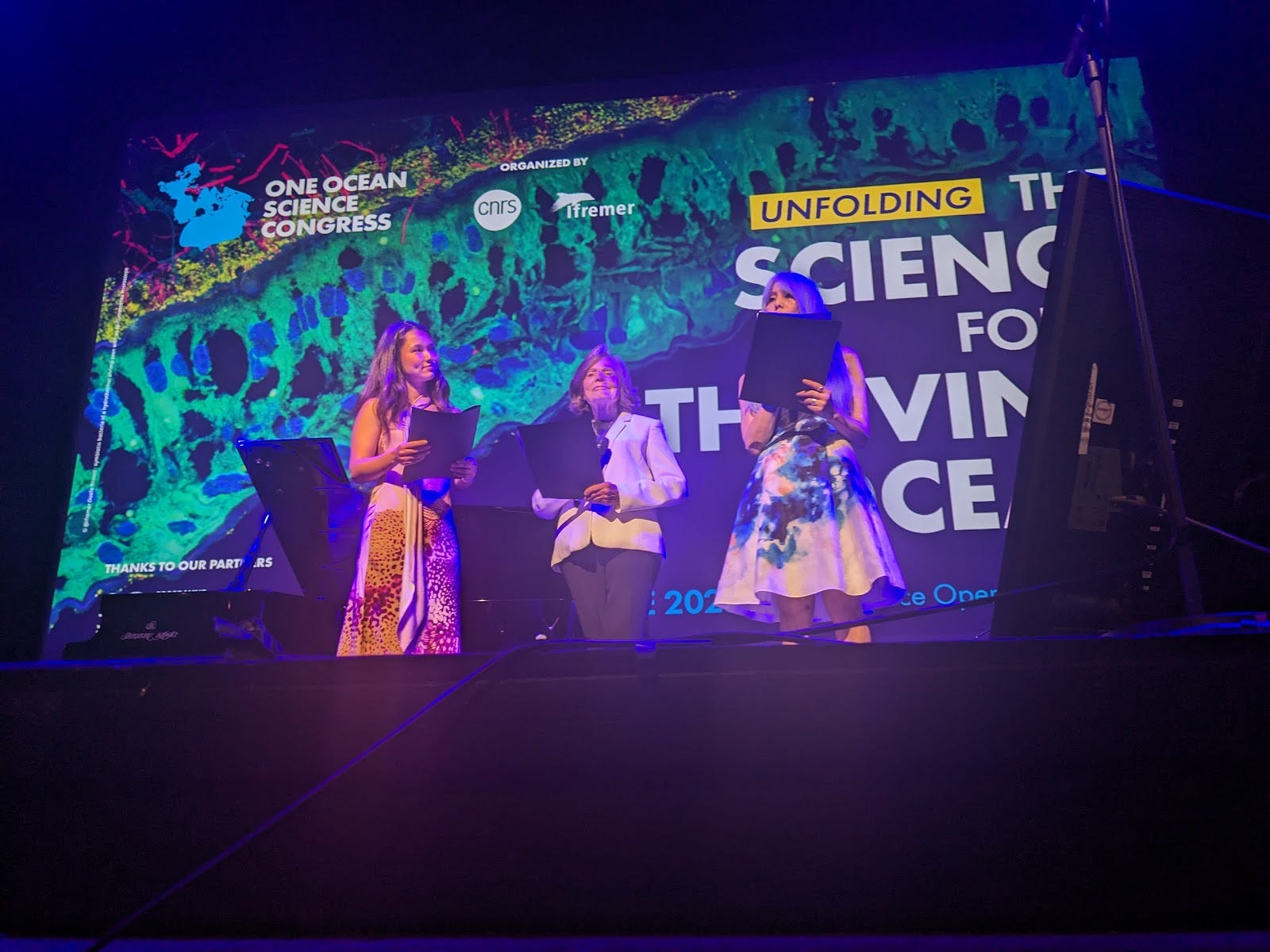
The OOSC concluded with a series of recommendations aimed at informing policy-makers and guiding future research. We recommend taking the time to read through the executive summary. The 10 points that the international scientific community have agreed upon are crystal clear and actionable. Finally, in the words sung by the steering committee of the congress, “Where the science is clear, lead with courage. Where uncertainty remains, act with humility.” And yes, you read that correctly. During the cultural evening at the Nice Opera, the entire scientific steering committee got on stage to perform. If that doesn’t show how much conviction they have, I don’t know what will.
The Third United Nations Ocean Conference: A Call to Action
Building on the scientific insights of the OOSC, the Third United Nations Ocean Conference (UNOC3) took place in Nice from June 21st to 23rd, 2025. This high-level event brought together heads of state, government ministers, civil society organizations, and private sector representatives, all united by a shared commitment to implement Sustainable Development Goal 14 (SDG 14): Life Below Water.
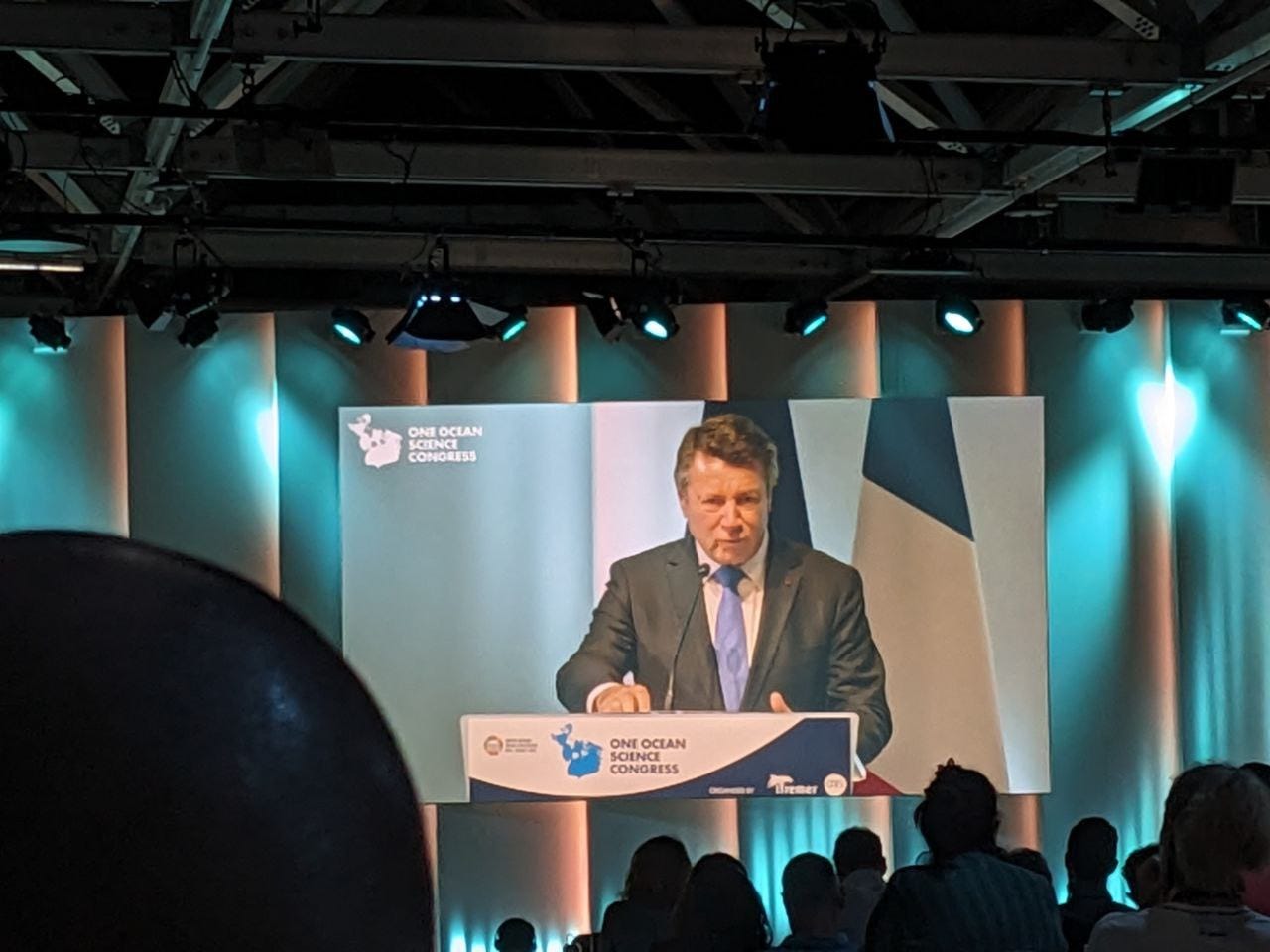
UNOC3 was marked by a strong sense of urgency and a renewed commitment to accelerate action on ocean conservation. Delegations from around the world presented their voluntary commitments and national initiatives aimed at addressing marine pollution, protecting marine and coastal ecosystems, and promoting sustainable fisheries. A significant number of new pledges were announced, focusing on areas such as expanding marine protected areas, reducing plastic waste, and combating illegal, unreported, and unregulated fishing.
A key outcome of the conference was the adoption of the "Nice Declaration," a comprehensive document outlining a roadmap for global ocean action. The declaration emphasized the need for a science-based approach to ocean governance, highlighting the importance of the findings presented at the OOSC. It called for strengthened international cooperation, increased financial support for developing countries, and the promotion of innovative technologies for ocean protection.
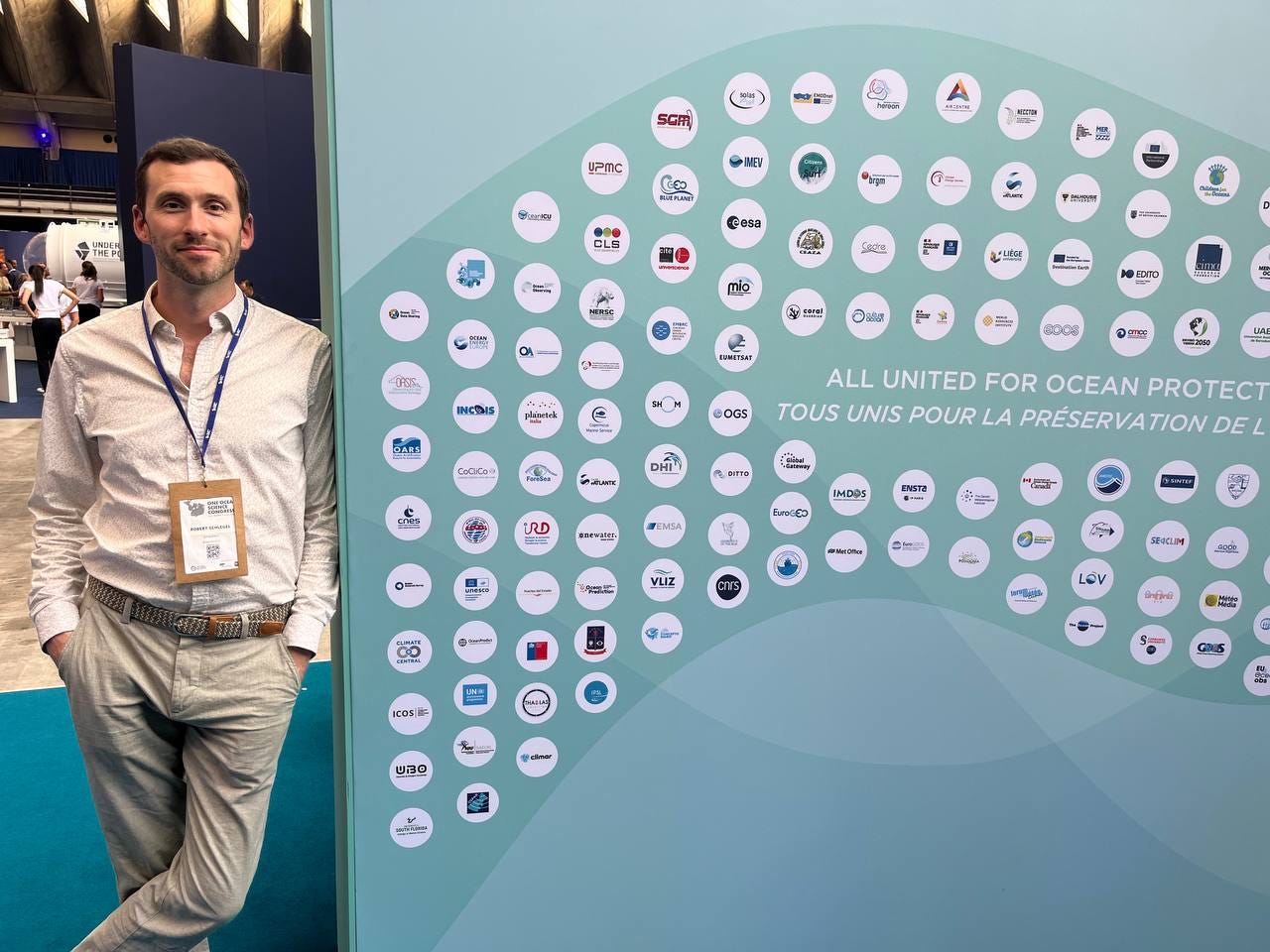
Discussions at UNOC3 also focused on the socio-economic dimensions of ocean health. Leaders explored strategies to foster sustainable blue economies that support livelihoods while preserving marine ecosystems. This included initiatives related to sustainable aquaculture, eco-tourism, and renewable ocean energy. The importance of involving local communities and indigenous peoples in ocean management was also strongly emphasized.
The conference served as a crucial opportunity to review progress on SDG 14 targets and identify gaps in implementation. While challenges remain, there was a palpable sense of renewed momentum and collective responsibility. The commitments made in Nice represent a significant step forward in the global effort to safeguard our oceans for future generations. The synergy between the scientific insights from the OOSC and the political will demonstrated at UNOC3 laid a robust foundation for continued progress in ocean conservation. Now it is up to all of us to keep this forward momentum.